Do Hydrafacials Work for Acne? An In-Depth Guide
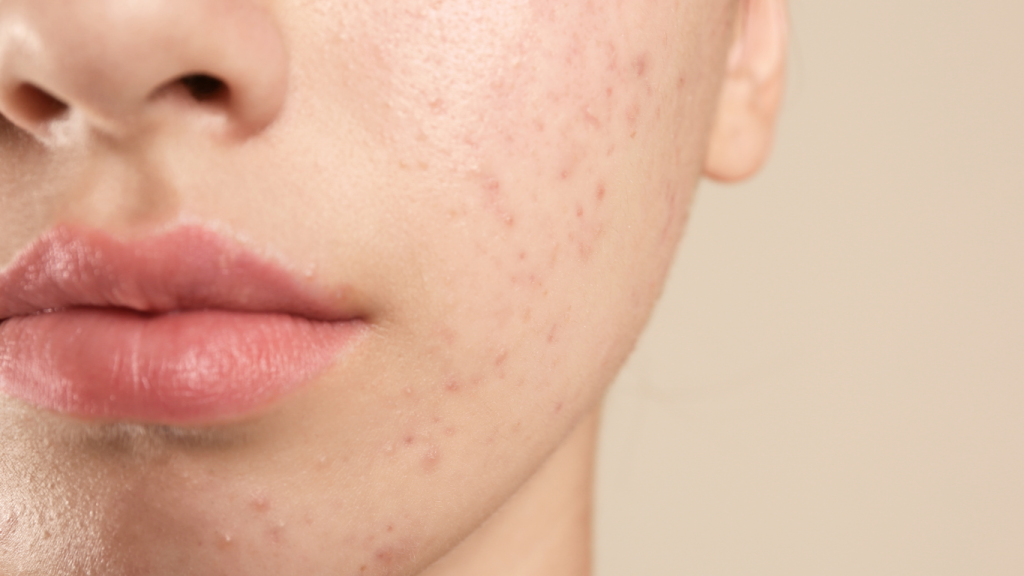
Acne is one of the most common and persistent skin concerns, affecting people of all ages. Traditional acne treatments range from topical products to oral medications, but many individuals are now turning to professional facials as a gentler, more holistic approach. One treatment that has gained significant attention in recent years for managing acne is the Hydrafacial. With its unique multi-step process that includes cleansing, exfoliation, extraction, and hydration, Hydrafacial promises to improve skin texture, clear pores, and reduce inflammation.
But can Hydrafacials really help with acne? Let’s take a closer look at how Hydrafacial works, how it addresses acne-related issues, and what results you can expect.
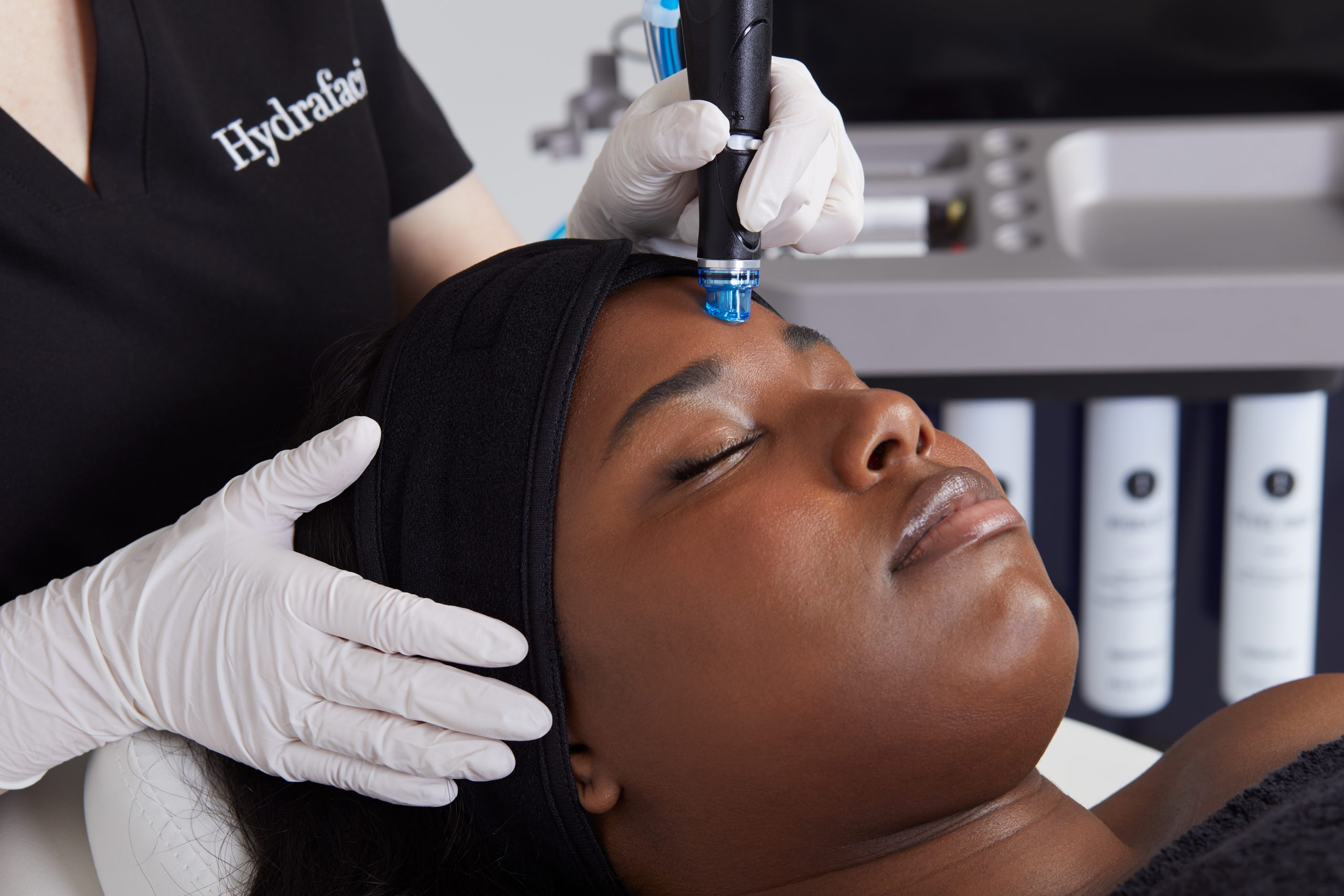
How Hydrafacial Addresses Acne: The Process Explained
Hydrafacial’s effectiveness in treating acne lies in its innovative, non-invasive approach, which can benefit acne-prone skin in several ways:
1. Deep Cleansing and Exfoliation
One of the primary causes of acne is clogged pores from excess oil, dead skin cells, and other impurities. The Hydrafacial begins with a gentle but thorough cleansing process, removing surface-level dirt and oil while exfoliating the top layer of dead skin. This helps to clear blocked pores, reducing the likelihood of future breakouts. For people with oily or combination skin, this step can be especially beneficial in balancing oil production and preventing clogged pores.
2. Mild Chemical Peel for Acne Reduction
Hydrafacial’s second step involves a mild chemical peel using a blend of glycolic and salicylic acids. This acid combination is well-suited for acne-prone skin because salicylic acid is oil-soluble and penetrates pores to help dissolve buildup. Glycolic acid, on the other hand, exfoliates the skin’s surface and enhances cell turnover, helping reduce acne scars and even skin tone over time. The peel used in Hydrafacial is gentle, so it doesn’t cause visible peeling or redness, which is beneficial for those with sensitive skin or active acne.
3. Gentle Extraction with Vortex Technology
Hydrafacial is known for its unique, painless extraction process. Using a vortex-extraction nozzle, the device gently vacuums out blackheads, whiteheads, and other impurities lodged deep in the pores. Unlike traditional manual extractions that can be uncomfortable and lead to post-extraction redness or even scarring, Hydrafacial’s suction-based method is much gentler on the skin. This minimises pore blockages and inflammation, reducing the frequency and severity of acne flare-ups.
4. Infusion of Hydrating and Anti-Inflammatory Serums
Hydrafacial concludes with the infusion of specialised serums tailored to the skin’s needs. For acne-prone skin, the final step often includes serums with hydrating, anti-inflammatory, and antioxidant ingredients like hyaluronic acid and peptides. Hydration is essential for healthy skin function, even for those with oily skin, as over-drying can stimulate excess oil production. Additionally, antioxidant and anti-inflammatory ingredients can soothe active breakouts, reducing redness and calming the skin.
Benefits of Hydrafacial for Acne-Prone Skin
Hydrafacial’s multi-step approach provides various benefits that specifically target acne and its underlying causes. Here’s how it works to improve acne-prone skin:
1. Reduces Acne-Causing Bacteria and Oil
By cleansing the skin deeply and incorporating salicylic acid, Hydrafacial helps reduce the bacteria and oil buildup that can lead to acne. Regular treatments may help minimise breakouts, making it a valuable tool for acne management.
2. Minimises Acne Scars and Post-Inflammatory Hyperpigmentation
Hydrafacial’s gentle exfoliation and acid peel work together to increase cell turnover, which is beneficial in fading post-acne marks and scars. The process encourages new skin cells to emerge, gradually evening out the skin’s texture and reducing pigmentation caused by past breakouts.
3. Controls Inflammation and Redness
One of the challenges of acne-prone skin is managing inflammation. Hydrafacial’s anti-inflammatory serums can soothe the skin, reduce redness, and calm active breakouts. This helps to reduce the visual impact of acne and creates a smoother, more even complexion.
4. Balances Oil Production
Overly oily skin can be a significant contributor to acne. The Hydrafacial treatment includes a moisturising component that hydrates the skin without clogging pores, helping to balance natural oil production. By addressing dehydration, which can often worsen oil production, Hydrafacial supports the skin’s natural balance, which can lead to fewer breakouts over time.
Hydrafacial for Acne Scarring
While Hydrafacial is effective in preventing breakouts and controlling acne, it also shows promise in addressing mild acne scarring and post-inflammatory hyperpigmentation. The regular exfoliation provided by Hydrafacial helps fade pigmentation over time, and the infusion of collagen-boosting serums promotes skin repair, which can improve the appearance of shallow scars. For individuals with deeper, more textured scars, Hydrafacial can be a complementary treatment when combined with other acne-scar therapies like microneedling or laser resurfacing.
Who Can Benefit from a Hydrafacial for Acne?
Hydrafacial can benefit a wide range of individuals dealing with acne, including those with:
- Mild to moderate acne: Hydrafacial is particularly helpful for people with mild to moderate breakouts, clogged pores, and blackheads. The treatment helps prevent future breakouts while gently treating existing blemishes.
- Oily or combination skin: Those with oily skin often experience excess oil production, which can clog pores and lead to acne. Hydrafacial’s exfoliating and hydrating components work together to balance oil levels.
- Sensitive or reactive skin: Since Hydrafacial is non-invasive and uses gentle suction instead of manual extraction, it’s an excellent option for individuals with sensitive or reactive skin who may not tolerate traditional facials well.
However, for those with severe or cystic acne, Hydrafacial might not be a standalone solution. People with severe or painful acne should consult a dermatologist to determine the best treatment approach. Hydrafacial can be a supportive treatment when combined with other dermatological solutions tailored for severe acne.
How Often Should Acne-Prone Individuals Get a Hydrafacial?
For people dealing with acne, monthly Hydrafacial treatments are generally recommended to maintain clear, balanced skin. Consistent treatments can help control acne flare-ups, minimise post-acne marks, and improve skin texture over time. With each session, the skin becomes better at regulating oil production, managing inflammation, and maintaining a healthy moisture balance.
Hydrafacial has proven to be an effective option for those struggling with mild to moderate acne and oily or sensitive skin. By targeting the root causes of acne—such as clogged pores, bacteria, and inflammation—Hydrafacial works to provide a clearer, more balanced complexion without the irritation that sometimes accompanies traditional acne treatments.
Ready to try a Hydrafacial for acne and see real results? Book your session today and experience the difference for yourself!